Our current openGLAM.at projects:

1

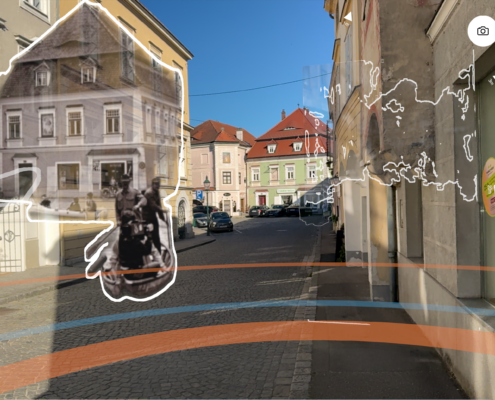
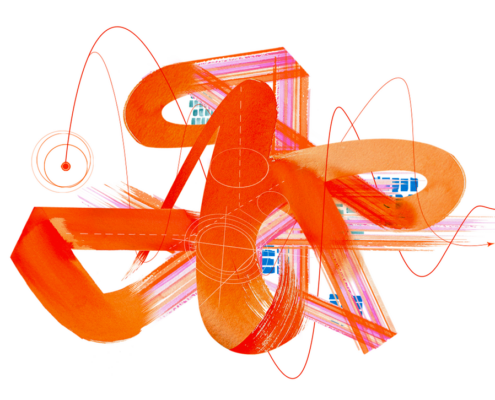
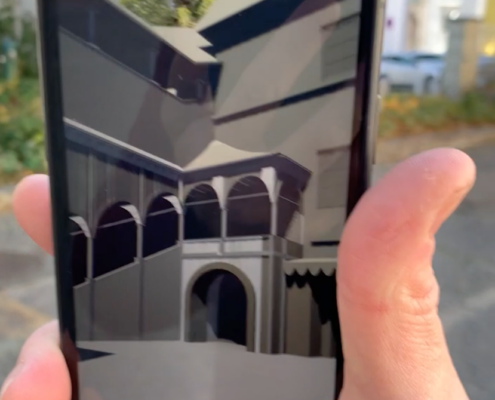
Ybbs 4 dimensions

The pilot project ‘4 Dimensions Ybbs’ is being developed as a citizen science project in collaboration with local stakeholders, representatives of the town of Ybbs, scientific expertise and international networks.

How is architectural history brought to life? What do the people of Ybbs have to say about their town? What do they know about the history of their town? How is an action in public space documented? How does the now get into the long-term archive?

1

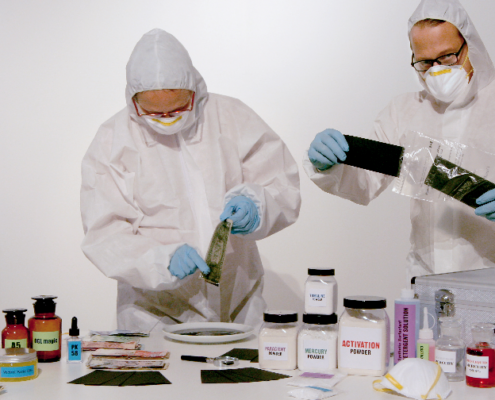
GreenGLAM

Artificial intelligence meets culture for sustainable development in Austrian galleries, libraries, archives and museums.

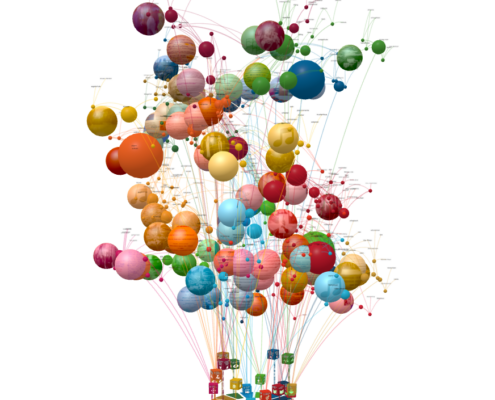
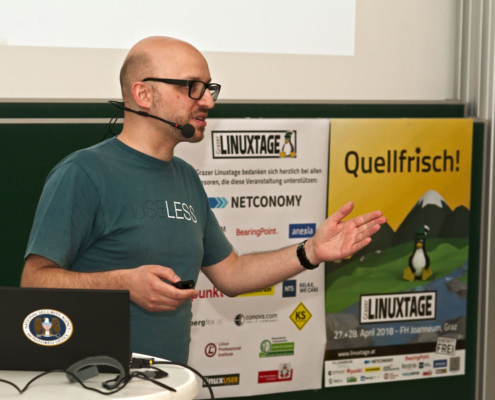
GreenGLAM raises awareness of the UN Sustainable Development Goals (SDGs) in Austrian galleries, libraries, archives and museums (GLAMs). By automatically collecting information from media and debates, GreenGLAM creates AI-driven ‘virtual data sculptures’ that are displayed on websites, mobile devices and in augmented reality (AR). These sculptures inform citizens and tourists about current topics and promote environmentally conscious decisions in everyday life.

1

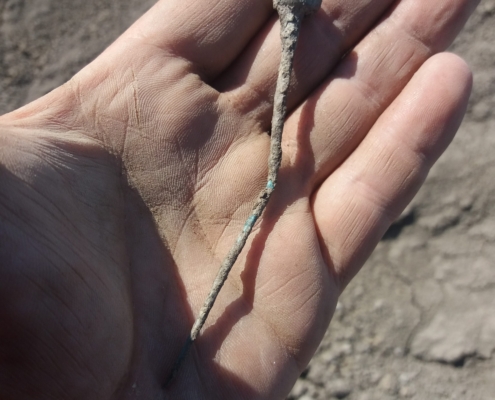
Rural Industrial Heritage

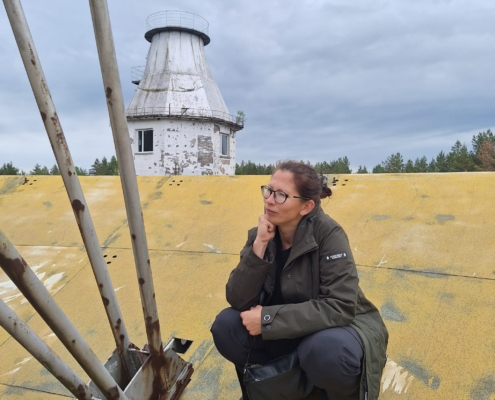
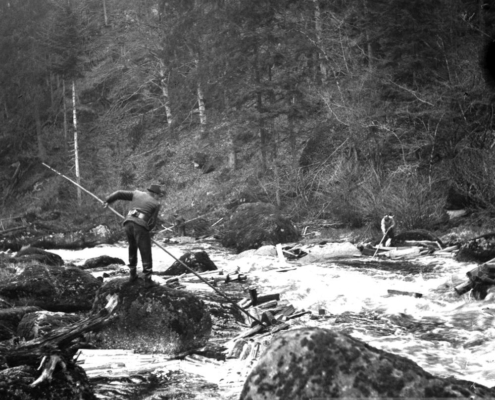
Lower Austria is generally perceived primarily as an agricultural region. The fact that rural areas were and are also a place of industry has so far only been mentioned in passing. Industry is primarily associated with towns, in Lower Austria with those in the so-called industrial district.

Even if the facilities are listed in a local chronicle, for example, there is usually no closer examination of them – regardless of the fact that the plants have often helped to shape the history of a place and its inhabitants for decades or even centuries and continue to do so.

Our current openGLAM.at projects:

Dear OpenGLAM-Fans,

please JOIN, LISTEN & CONTRIBUTE  to the cultural hackathon NOW!

AND…

… JOIN our community and get in contact with us directly

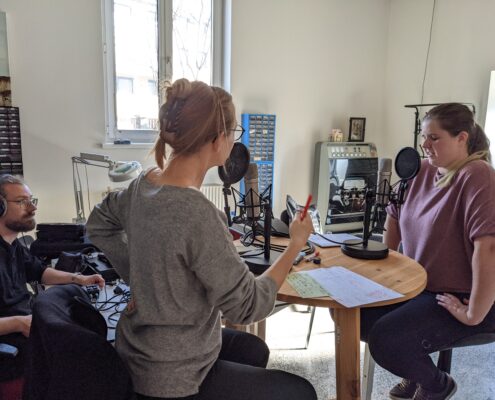
… LISTEN to our YOUTUBE Channel  and our podcast Open_Culture_Cast

… CONTRIBUTE by opening up your data or donate a voluntary membership fee to our bank account

Volksbank: AT44 4715 0116 5377 0000

Please contact Sylvia Petrovic-Majer

sylviainpublic@gmail.com

Cultural Hackathon 2026

 – 

The 2026 Culture Hackathon is once again dedicated to the motto “Leave No One Behind” and is collaborating with the “Industry in the Village (CID)” project, alongside the following partners: the University for Continuing Education Krems, the University of Applied Sciences St., the Institute for the History of Rural Areas, and Museumsmanagement Niederösterreich GesmbH with OpenGLAM.at.

We are therefore delighted that the regional museums in Guntramsdorf, Golling an der Erlauf, Hohenau an der March and Gutenbrunn are involved, enabling us to engage regional and local historians, topographers and the numerous volunteers working in local and regional museums with industrial heritage collections.

Of course, we also warmly welcome other challenges, questions or projects, and the GREENGLAM project (a collaboration from 2025) will also be presenting updates on its progress once again.

Leave no one behind (LNOB) is the central, transformative promise of the 2030 Agenda for Sustainable Development and its Sustainable Development Goals (SDGs). It represents the unequivocal commitment of all UN Member States to eradicate poverty in all its forms, end discrimination and exclusion, and reduce the inequalities and vulnerabilities that leave people behind and undermine the potential of individuals and of humanity as a whole.

https://unsdg.un.org/2030-agenda/universal-values/leave-no-one-behind

What is our bold vision for cultural heritage? How do we create a future that brings us together?

We would be delighted to welcome a diverse group of participants. Our ‘Leave No One Behind’ principle means that we focus on working with regional collections. Your registration is a good starting point for future initiatives. You do not need any prior knowledge or preparation to take part.

Please note, however, that the continuous participation of all participants is essential for the format to work (full attendance from 25–26 September is absolutely necessary!). This will allow us to enjoy the experience of connecting with one another, sharing knowledge and finding inspiration!

On Thursday 24 September, we are hosting a public event to briefly introduce the mentors and the concept of the Cultural Hackathon. Our keynote speech can be followed via livestream. The links will be sent to all registered participants before the event.

PROGRAM

  • Thursday, September 24, 2026 / ON SITE & ONLINE

    16:00 Opening

    16:30 KEYNOTE 1: T.B.A.

    -> Blogpost

    17:30 Uhr KEYNOTE 2: T.B.A.

    -> Blogpost

    18:00 Closing reception with a buffet

  • Friday, September 25, 2026 / ONLY ON SITE

    09:00 Start of the Cultural Hackathon
    21:00 End of the Cultural Hackathon

  • Saturday, September 26, 2026 / ONLY ON SITE

    09:00 Start of the Cultural Hackathon
    16:00 End of the Cultural Hackathon

Sincerely yours,

Your host and facilitator Sylvia

LOCATION 2026

University of Applied Sciences St. Pölten
Campus 1
Future Lab, Haus B

Thursday, 24.9.2026: ONLINE & ON SITE

Friday, 25.9.2026 and Saturday, 26.9.2026: ON SITE

TAKE PART!

OpenGLAM.at

OpenGLAM.AT is a platform for the development of digital strategies and projects of a far-reaching network of Austrian cultural heritage institutions. GLAM is the abbreviation for Galleries, Libraries, Archives & Museums, where AT stands for the Austrian network in an international context. This platform has its origins in the Open Knowledge Foundation (okfn.at) and is currently run independently as a separate association. The association statues are public and can be accessed at any time. Numerous workshops, participation in conferences and congresses have expanded the network within Austria, which is why cooperation within this network is sought for numerous events and projects focusing on art and culture and digitisation.

The Culture Hackathon has been held annually since 2017 as a flagship project. Such cultural hackathons are also held in Switzerland and Germany. We, the OpenGLAM.AT network, are organising this event for Austria in order to work out our visions, projects and goals and are in close exchange with our international colleagues.

Via Blogposts and the podcast Open_Culture_Cast  (only available in German)

The project leader, community manager and chairwoman Sylvia Petrovic-Majer works closely with the core team. The association is open to participation, following the principles of the open data movement to ensure open knowledge, participation and transparency.

THE FIVE MAIN GOALS

  • We aim to create awareness in Austria about opportunities for cultural heritage and (digital) art through digital transformation and the right to open data regardless of location.

  • Dialogue and result-oriented work are the main focus, as well as the dissemination of this practice and the implementation of the associated skills in society.

  • The cultural hackathon is considered a lighthouse project and the impetus for a series of many different projects in Austria and internationally, which see the promotion of digital skills in connection with cultural heritage as a task and the importance of cultural heritage for transdisciplinary science and research, as well as solution-oriented implementation.

  • The content is exclusively oriented towards the needs and requirements of an open society.

  • The principles of the open movement are to be observed decisively at all levels of design: open knowledge, participation and transparency.

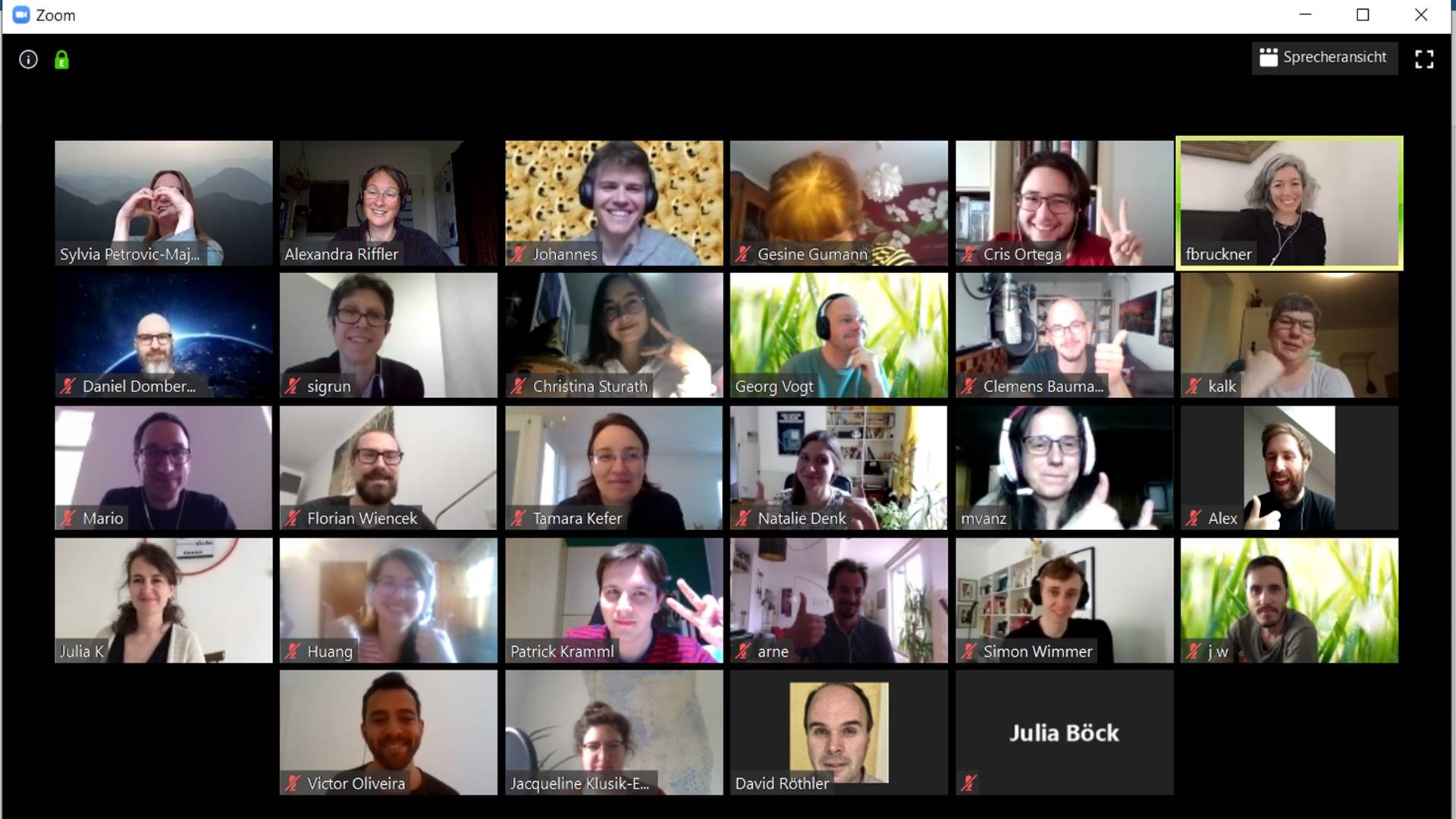
The cultural hackathon is a format that took place in 2017 and 2018 and is usually held as a physical encounter. Due to the general ban of in-presence-events in the context of the COVID-19 crisis, the culture hackathon was held exclusively digitally in 2020 and 2021.

Following our strategic reflection in autumn 2021 we decided to initiate “smaller flames” in different locations, which is why we came to host one-day gatherings in Lilienfeld and Krems / Danube.

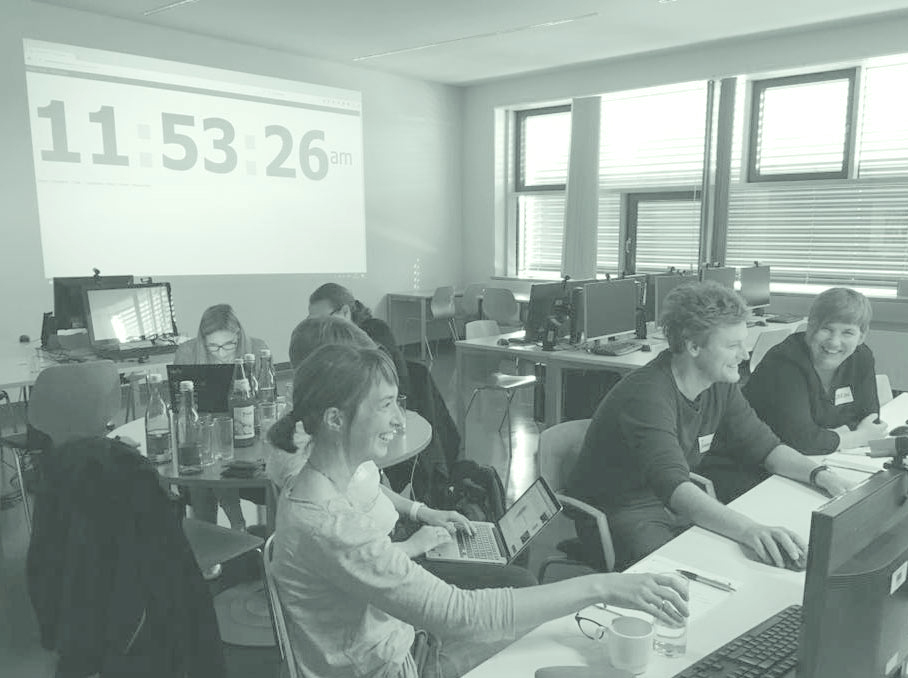
In 2023, we were able to resume our cooperation partnership with the St. Pölten University of Applied Sciences and gatherd on site. We really enjoyed this joint immersion!

CC by Sylvia Petrovic-Majer

CC by Sylvia Petrovic-Majer

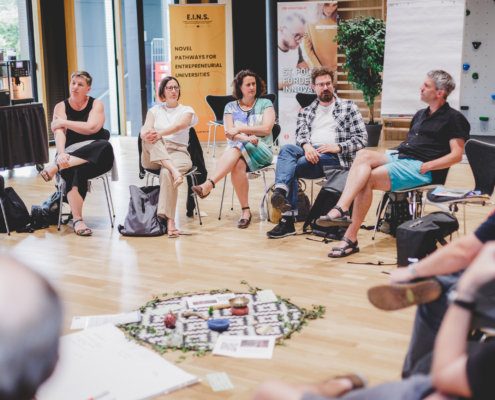
At the centre of the cultural hackathon is the real encounter from person to person, which despite digitisation is still a prerequisite for the development of innovative ideas. Encounter and dialogue are the basis of every society.

NEWS | BLOG | FUTURE & PAST

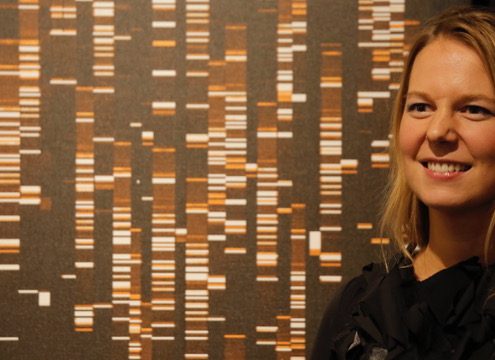
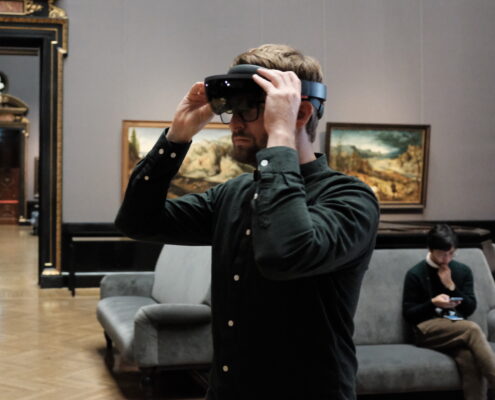
Marina@GLAMhack25

This year, the architect and mixed reality researcher Marina Lima Medeiros will participate in Kulturhackathon 2025. Marina had her first contact with programming during a hackathon, which turned into a hobby and later into an important aspect…
Clemens Baumann

Archive Storytelling@GLAMhack25

Following on from projects such as Regiograph and Spuren lesbar machen, Georg and Clemens are interested in the narrative development of precarious history and the site-related, interactive and explorative narrative forms that go hand…

Surprising Presentation on Monday 27, 5:30 pm

The Blue Shield Network for the Protection of Cultural Heritage in Conflict and Crisis Situations Success in the protection of cultural heritage is measured by the interaction of its various stakeholders: In addition to state institutions…
John Wood / Malta Heritage
,

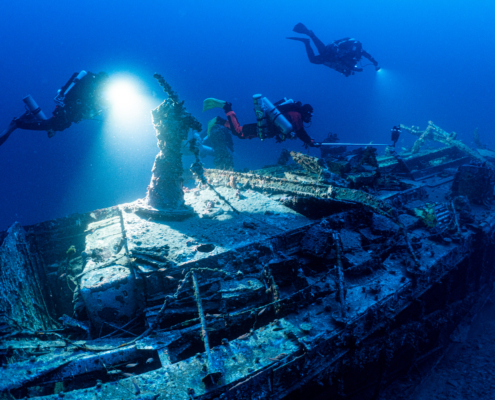
KEYNOTE: Making the Invisible Visible: Launching and Curating a Virtual Museum for Underwater Cultural Heritage

On Monday, January 27 at 4 pm we are opening up our 3 day cultural hackathon and start with a fantastic underwater world experience with Maja. The seabed is often regarded as the world’s largest museum, yet it is also the world’s…
, ,

Images as Knowledge Repositories

Dr. Lyndon J.B. Nixon is a pioneer in the field of semantic technologies. Since the early days of online search engines, the researcher has been exploring how data on the World Wide Web can be made readable and accessible to both machines…

FlowGame @ICARUS

On May 4, 2023 I had the pleasure to host a workshop at the ICARUS Convention #30 in Sittard/NL. Regarding the convention's topic "Archives and Traces of Migration" and the topic of the workshop in particular we were working on a specific…

GLAMhack23 – Thank you for your contributions!

Dear OpenGLAM.at - Fans! Please find attached a small photo gallery of the past Kulturhackathon 2023 - thank you for each and every one of your contributions! A summary is also available for you: Kulturhackathon 2023 PLUS_Ergebnis_ENG…

Arthur Schnitzler@GLAMhack23

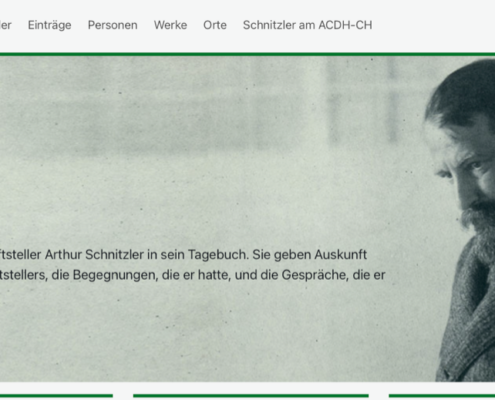
Arthur Schnitzler is one of Austria's most internationally renowned writers and playwrights. Between 1980 and 2000, Arthur Schnitzler's diary was published at the Austrian Academy of Sciences in 10 volumes. For the past five years, his professional…

OER@GLAMhack23

Cultural Heritage 2.0 - 50 Open Educational Resources (OER) in preparation for the Hackathon Do you want to dive into the field of digital cultural heritage or the application of digital humanities in the cultural sector before the hackathon?…

An Archiv of Biodiversity

In addition to archaeology, art and cultural history, the 4 collection areas of the State Collections of Lower Austria also include the natural science collection. One section is the vertebrate collection, which currently consists of about 4,000…

KEYNOTE: Why is archiving so (un)sexy again?

(Photo credits: Illustrator: Ann Kiernan for Exposing the Invisible) KEYNOTE: Ricardo Ginés - Why is archiving so important for NGOs and other organisations? The sufferings of the young Aaron Swartz Why should we archive today? Isn't…

KEYNOTE Cultural Hackathon 2023: Kairus – Sorting Data – Artistic Approaches to Datasets and Archives

(Photo by Kairus, CC BY 4.0)   Kairus consists of the duo Linda Kronman and Andreas Zingerle - now based in Graz - won the Outstanding Artist Award in 2023. In their talk about "Sorting Data –artistic approaches to datasets and…

Open by Design

Think Open Data from the beginning and design a project accordingly! The International Open Data Day 2023 (2 March 2023) was the occasion to write an article on the topic Contributions and challenges change through CC - Open Data as an invisible…

OpenUp Citizen Scientists in Archeology

For open archaeological research into local history The OpenGLAM.at Kulturhackathon on 12 November 2022 at the "museum krems" took place under the motto "Search, find and then what?". One focus of the conceptual considerations of this meeting…

Open_Culture_Cast: Hacking_Culture_Lower_Austria in 3 parts now ready to listen! (only available in German)

Sometimes you sit between boxes and other stuff during lively conversations. And that's just fine! The main thing is that the dialogue and the listening are right and that it is possible to approach each other. Florian Wiencek and myself…
https://www.artblocks.io/project/185

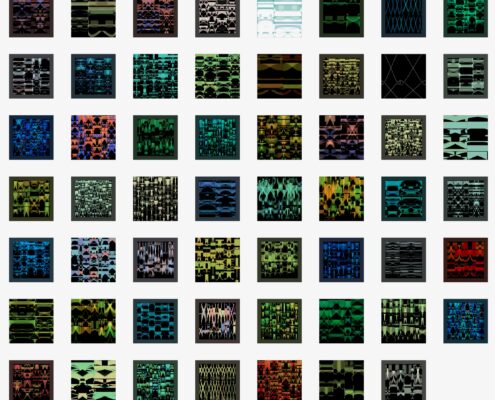
Sven@GLAMhack21: NFT – The Hype

Bildquelle: https://www.artblocks.io/project/185 Ever since the spectacular auction of the digital artwork "Everydays: the First 5000 Days" by the artist Beeple, which was sold for around 69 million US dollars, the topic of NFTs has also been…

Gerhard&Robert@GLAMhack21

Data and visualisation, yesterday, today and tomorrow. These are the topics that Gerhard Sprung, Robert Strohmaier and the Digital Media Technologies team at FH JOANNEUM's Information Management degree programme have been dealing with again…
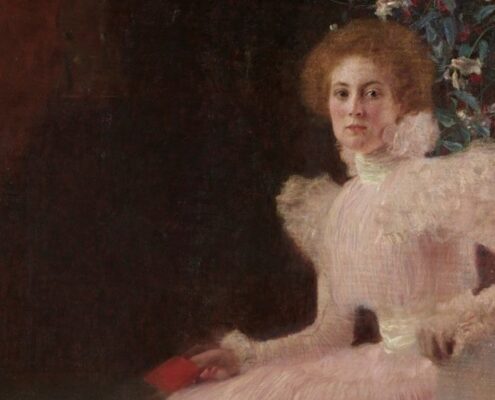
Im Zuge der Open Content Policy wurden Bilddaten zu mehr als 5,000 Objekten der Belvedere-Sammlung rechtefrei zugänglich gemacht, unter anderem auch Meisterwerke von Gustav Klimt (Gustav Klimt, Sonja Knips, 1897/1898, Öl auf Leinwand, 145 × 146 cm, Belvedere, Wien © Belvedere, Wien, Foto: Johannes Stoll).

Elena@GLAMhack21: From Open Data to the “Open Museum”?

Most recently, the COVID 19 crisis intensified the focus of cultural institutions on digital offerings. The Belvedere relies, among other things, on its extensive online collection, which is characterised not only by the intensive tagging of…

Christa@GLAMhack21 : Capture – network – use regional treasures

Currently, a total of more than 7,300 objects from 17 museums and collections are presented in noemuseen.at , and with a connection to Kulturpool Austria and Europeana, the objects can also be found on higher-level platforms. Christa Zahlbruckner…

Ulrike@GLAMhack21: Imperfect data and a very different cosmic thought.

"[...] I would like to describe that there is also an added value for the sciences in the other direction and that exciting learning from each other can take place, especially in methodology, e.g. in ArtScience labs. Your [Sylvia Petrovic-Majer]…

Markus@GLAMhack21

"Every technological development is relevant to the field of art and culture. Art and culture should take up, show and use developments." Markus appreciates experimenting and working freely with new technologies and has implemented numerous…

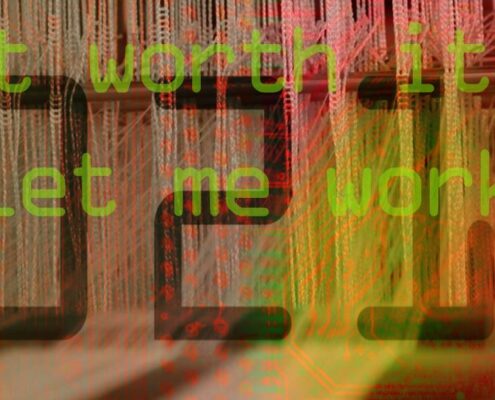
Is it worth it? Let me work it!

Registration has started!   How can work in the arts and culture be rethought and redefined? What can data from cultural heritage do in other fields of work? What knowledge must be available for this? The motto of the cultural hackathon…

TEAM

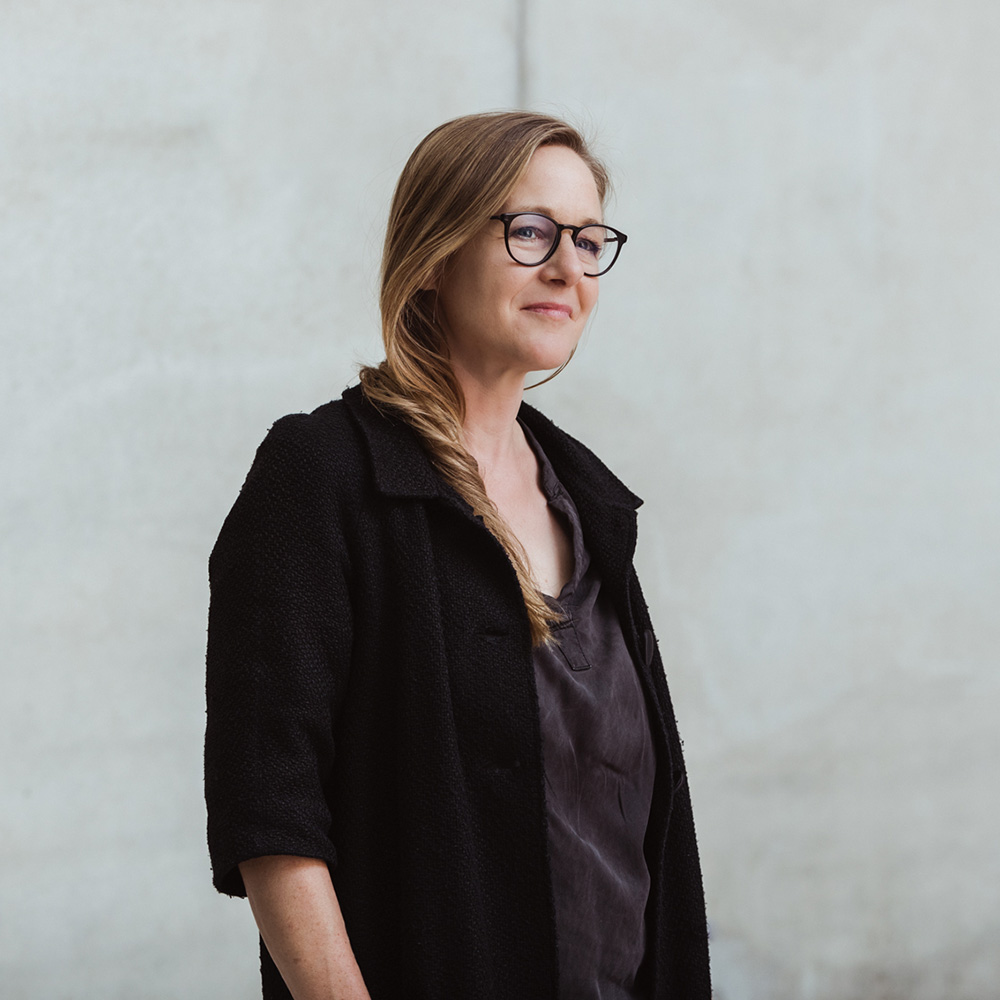
MAG. SYLVIA PETROVIC-MAJER

Chairwoman
sylp@openglam.at

1
1

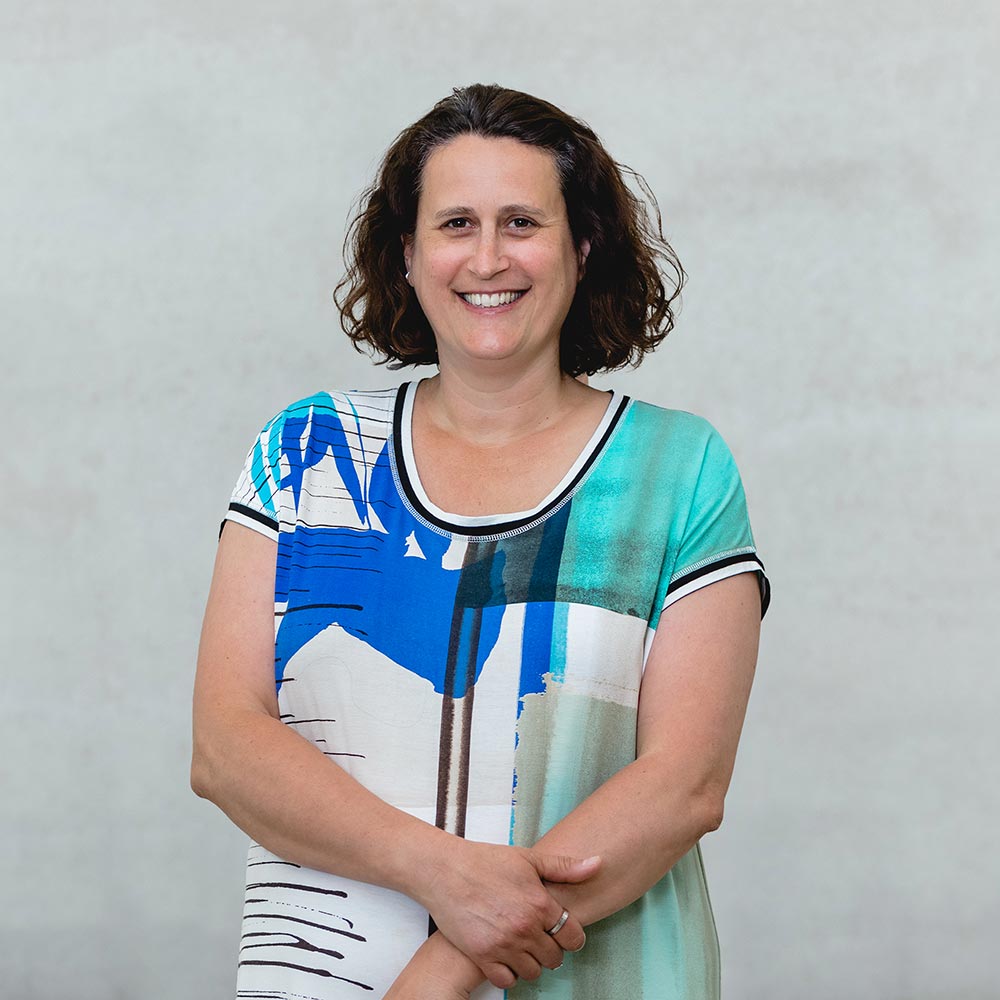
As founder of OpenGLAM.at, Sylvia Petrovic-Majer has been actively interested and involved in the digital transformation process of cultural heritage since 2013. As a bridge builder between science & research, technology and cultural heritage, she specialises in facilitating (work) groups, developing strategies and concepts and innovation processes. Her motivation is to design a livable future by bringing people together, which is why her outreach projects and activities are dedicated to future skills. Community management, participation, policy making and citizen science shape her activities and projects on a scientific sociological level in order to take as many people as possible along the way.

MAG. SYLVIA PETROVIC-MAJER

Chairwoman
sylp@openglam.at

MAG. KATHRIN KRATZER, MA

1
Kathrin Kratzer
1

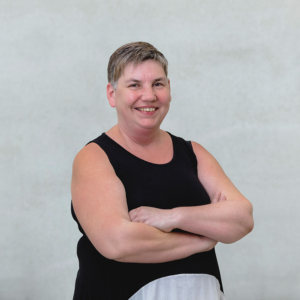
Kathrin Kratzer, MA studied art history, with a focus on baroque art, at the University of Vienna from 1994 to 2002 and completed postgraduate studies in “Iconographic analysis and digital image documentation” at Danube University Krems from 2002 to 2004. Since 2004 she has been working for the cultural department of Lower Austria in the areas of inventory, database maintenance (TMS) and image management.

MAG. KATHRIN KRATZER, MA

DR. SVEN SCHLARB

1
1

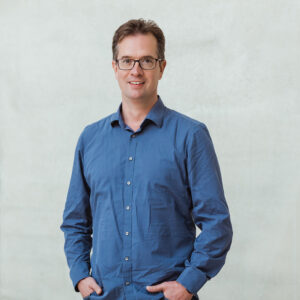
Dr. Sven Schlarb works as a scientist at the AIT, Austrian Institute of Technology. For more than 10 years, he has been working on topics related to the digitisation, archiving, provision and research of extensive collections and archival holdings. His main interest lies in the application of natural language processing methods (text mining) as well as linked data and semantic web technologies.

DR. SVEN SCHLARB

MAG. SABINE HARTMANN

Treasurer
saha@openglam.at

1
Sabine Hartman
1

After her studies in art history, classical and Christian archaeology, Mag. Sabine Hartmann worked in various GLAM institutions in Germany, Belgium, the Netherlands, England and Austria. The focus of her work was on data-based digital projects such as OCR text recognition in historical newspapers, sound AR apps based on archival material, web archiving, collection databases, and much more. Through a coding bootcamp and then working as a programmer, she deepened her digital skills. Sabine has honed her ability to think innovatively and develop new concepts on many projects. She is proficient in successfully managing communication and outreach efforts in a global organisation. As a project manager, she has consistently succeeded in building strategic partnerships, bringing individuals and/or groups together, and achieving common goals.

MAG. SABINE HARTMANN

Treasurer
saha@openglam.at

OPEN-UP

AND

CREATE!

The cultural hackathon aims to make cultural heritage accessible. It should be brought closer to the people and increase their quality of life. Start-ups are being sought that produce innovative products to bring the value of cultural heritage and its utilisation closer to the population. Institutions network and interdisciplinary cooperation emerge.

The word hackathon is a combination of “hack” and “marathon” and thus describes the intensity and duration with which open data is used as the basis for projects. Hackathon participants are invited for 2.5 days to experiment with data from the cultural heritage fund, develop projects, design concepts and create prototypes.

At the end of the events, the small groups will present their projects and pitch them to the public. Sponsors and relevant partners will be invited to implement the project of their choice in order to achieve sustainable success …

The participants will be supported by technical and scientific mentors from the partner organisations in order to develop and implement strategies based on data from the field of arts and culture, which will influence the future of the arts and cultural landscape. Participation is free of charge, only travel and accommodation costs have to be covered by the participants themselves.

We strive to have as diverse a group as possible and therefore invite applications from people working in the fields of software development, art history, art education, science, museum management, project management and many others. No prior knowledge and no prior preparation is neccessary, just the readyness of sharing knowledge and diving deeper with us.

Everyone from 18 and up are welcome to join us and bring their expertise!

The entire event will be documented and the outcome will be shared with the public individually regarding its character (code, presentation, concept..).

ARCHIVE

Cultural Hackathon 2025 LINK

Cultural Hackathon 2024 LINK

Cultural Hackathon 2023 LINK

Cultural Hackathon 2022 LINK

Cultural Hackathon 2021 LINK

PARTNERS

>

>

>

many thanks at this point!

The Digital Makers Hub & DIHOST (Digital Innovation Hub Lower Austria/Vienna/Burgenland) is funded by the Federal Ministry for Digital and Economic Affairs as part of the programme “Digital Innovation Hub in Austria”.

PROJECTS

PRESS

1st Hackathon Newsletter June 20I7

PRESS STATEMENT 2018

Hackathon 2018 Header

Harvest Cultural Hackathon 2017

Hackathon 2018 announcement

Harvest Cultural Hackathon 2018

Harvest Cultural Hackathon 2023

CONTACT

Owned and published by: Mag.a Sylvia Petrovic-Majer 

Email: sylp@openglam.at

//

Photographs:  CC by Sylvia Petrovic-Majer / OpenGlam.at

IMPRINT

Extract from the register of associations

openGLAM Articles of Association


Privacy Policy

We have written this privacy statement to explain what information we collect, how we use it and what choices you have as a visitor to this website, in accordance with the requirements of the EU General Data Protection Regulation. Unfortunately, by their very nature, these statements sound very technical, but we have tried to describe the most important things as simply and clearly as possible when writing them.


Storage of personal data

Personal data that you submit to us electronically on this website, such as your name, email address, address or other personal details when submitting a form or commenting on the blog, together with the time and IP address, will only be used by us for the purpose stated, kept secure and not passed on to third parties. We therefore only use your personal data to communicate with those visitors who expressly request contact and to process the services and products offered on this website. We do not disclose your personal data without your consent, but we cannot exclude the possibility that this data may be accessed in the event of unlawful conduct. If you send us personal data by email – thus away from this website – we cannot guarantee secure transmission and protection of your data. We recommend that you never send confidential data by email without encryption.


Your rights

You are generally entitled to the rights of information, correction, deletion, restriction, data portability, revocation and objection. If you believe that the processing of your data violates data protection law or that your data protection rights have been violated in any other way, you can complain to the supervisory authority. In Austria, this is the data protection authority, whose websites can be found at  https://www.dsb.gv.at/


SSL

In order to protect your transmitted data as best as possible, this website uses SSL encryption. You can recognise this type of encrypted connection by the prefix “https://” in the page link in the address line of your browser or by the clearly visible “lock” symbol. If SSL encryption is activated, all data that you transmit to us cannot be read by third parties.


Cookies

This website uses cookies. These are text files that are stored on a computer system via an internet browser during a visit to the website. The use of cookies enables us to provide more user-friendly services to the users of this website. Cookies enable us to recognise users of the website (number, frequency of use). We obtain the necessary consent. Individual profiling of usage behaviour does not take place.

You can deactivate the use of cookies in your internet browser and also remove cookies that have already been set. Please note that this may restrict the presentation of the website and user guidance.


Access data

For reasons of operational security, the site provider (mur.at) collects data about accesses to the site and stores these as “server log files” for 30 days. The site provider makes server log files available to us for statistical analysis. However, these do not contain IP addresses and are therefore considered anonymised.

Data protection declaration mur.at


Linking Social Media / YouTube

We also promote presences on the social networks listed below on our website. The integration takes place via a linked graphic of the respective network. The use of this linked graphic prevents a connection from being automatically established to the respective server of the social network when a website with a social media advertisement is called up in order to display a graphic of the respective network itself. Only by clicking on the corresponding graphic is the user redirected to the service of the respective social network.

After the user has been forwarded, information about the user is collected by the respective network. It cannot be ruled out that the data collected in this way will be processed in the USA.

This is initially data such as IP address, date, time and page visited. If the user is logged into his or her user account of the respective network during this time, the network operator may be able to assign the collected information of the user’s specific visit to the user’s personal account. If the user interacts via a “Share” button of the respective network, this information may be stored in the user’s personal user account and may be published. If the user wants to prevent the collected information from being directly assigned to his/her user account, he/she must log out before clicking on the graphic. In addition, it is possible to configure the respective user account accordingly.

The following social networks are integrated into our site by linking:

YouTube
Google Ireland Limited, Gordon House, Barrow Street, Dublin 4, Ireland, a subsidiary of Google LLC, 1600 Amphitheatre Parkway, Mountain View, CA 94043 USA.

Privacy Policy: https://policies.google.com/privacy


Newsletter subscription

If you register for our free newsletter, the data you requested for this purpose, i.e. your email address and – optionally – your name and address, will be transmitted to us. At the same time, we store the IP address of the internet connection from which you access our website as well as the date and time of your registration. During the further registration process, we will ask for your consent to send you the newsletter, describe the content in detail and refer to this data protection declaration. We use the data collected exclusively for sending the newsletter – in particular, it is therefore not passed on to third parties.

The legal basis for this is Art. 6 para. 1 lit. a) DSGVO.

In accordance with Art. 7 (3) DSGVO, you can revoke your consent to receive the newsletter at any time with effect for the future. To do so, you simply need to inform us of your revocation or click on the unsubscribe link contained in each newsletter.


Photo Attribution Cultural Hackathon sujet 2021

Photo by Vibhuti Gupta on Unsplash

Photo by Michael Dziedzic on Unsplash

Photo by Engin Akyurt on Unsplash

HAVE A GREAT DAY!